Lesson Plan | Socioemotional Learning | Climate: Human Actions and Climate Change
| Keywords | Climate, Climate Change, Human Actions, Industries, Vehicles, Deforestation, Greenhouse Effect, Consequences, Sustainability, Socio-emotional Skills, RULER, Team Work, Action Project, Reflection, Emotional Regulation, Personal Goals |
| Resources | Chairs and tables for all students, Whiteboard and markers, Books, articles, and internet access for research, Note-taking sheets, Pens and pencils, Computer and projector for presentations, Deep breathing materials (instructions), Sheets for written reflections, List of suggested goals |
| Codes | - |
| Grade | 6th grade |
| Discipline | Geography |
Objective
Duration: 15 - 20 minutes
This phase aims to build a strong understanding of the human activities that contribute to climate change. By grasping these factors, students will be better equipped to cultivate socio-emotional skills like empathy and a sense of responsibility as they understand the repercussions of their actions on the environment. This foundational knowledge is essential for students to engage meaningfully in subsequent activities and reflect on their attitudes and behaviours regarding the issue.
Objective Utama
1. Identify and explain the key human activities driving climate change, such as industrial processes, vehicular emissions, and deforestation.
2. Recognize the impact of human behaviour on the climate, and discuss how these changes are influencing the environment and society.
Introduction
Duration: 15 - 20 minutes
Emotional Warmup Activity
Deep Breathing for Enhanced Focus
The emotional warm-up activity selected is Deep Breathing. This effective technique aids students in calming their minds and focusing, prepping them for the session ahead. Engaging in deep breathing fosters mindfulness, alleviates stress, and boosts concentration.
1. Request students to sit comfortably with their feet flat on the floor and hands resting on their knees.
2. Invite them to close their eyes or keep a gentle gaze at the ground, if that helps.
3. Introduce deep breathing, directing them to inhale slowly through the nose for four counts.
4. Ask them to hold their breath for four counts.
5. Guide them to exhale slowly through the mouth for another four counts.
6. Repeat this deep breathing cycle for about two minutes.
7. Post-activity, encourage students to open their eyes and share their feelings, if they wish.
Content Contextualization
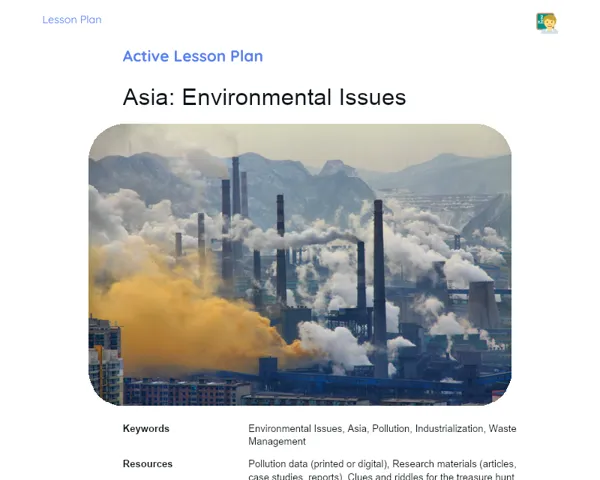
Climate change is one of the toughest challenges we encounter today. Issues such as rising global temperatures, severe weather patterns, and melting polar ice caps arise from human activity. Industrial processes, vehicle emissions, and deforestation have all significantly boosted greenhouse gas emissions, intensifying this crisis.
Through understanding this pressing topic, students not only become more conscious of how their actions affect the environment, but also develop essential socio-emotional skills such as empathy and responsibility. Recognizing the weight of their decisions empowers them to make more responsible choices for a sustainable future.
Development
Duration: 60 - 75 minutes
Theory Guide
Duration: 20 - 25 minutes
1. Definition of Climate Change: Clarify that climate change involves significant and enduring shifts in global or regional climate patterns. Distinguish between weather (short-term atmospheric conditions) and climate (long-term atmospheric trends).
2. Human Causes of Climate Change: Discuss the ways in which human activities drive climate change. Identify main factors like the combustion of fossil fuels (coal, oil, and natural gas) for industry and transportation, deforestation for agricultural and urban needs, and waste generation.
3. Greenhouse Effect: Define the greenhouse effect, explaining how it is a natural warming process that is intensified by human actions. Use relatable analogies, such as a greenhouse for plants, to illustrate how gases like carbon dioxide (CO2), methane (CH4), and nitrogen oxides (NOx) trap heat in the atmosphere.
4. Consequences of Climate Change: Outline the repercussions of climate change, which include rising sea levels, increasing frequency and severity of extreme weather events (like floods, droughts, and storms), melting ice caps, and effects on biodiversity.
5. Social and Economic Impacts: Explain how climate change impacts human societies, leading to displacement of populations, loss of homes, food and water scarcity, and economic harm due to damage to infrastructure and reduced agricultural productivity.
6. Practical Examples: Use current, relatable examples to illustrate each point. For instance, discuss deforestation in the Amazon rainforest, the increase of cyclones in the Indian Ocean, and melting glaciers in the Himalayas.
Activity with Socioemotional Feedback
Duration: 30 - 35 minutes
Group Climate Action Project
Students will form small groups to design a project focused on minimizing the impact of human actions on climate. Each group will select a specific theme (like reducing plastic consumption, initiating tree plantation drives, or encouraging sustainable transport) and draft a detailed action plan.
1. Divide the class into groups of 4 to 5 students.
2. Each group should pick a specific theme related to reducing climate impact.
3. Provide research materials (books, articles, internet) along with sheets of paper for notes.
4. Guide groups to brainstorm and note down ideas on how to tackle their chosen theme.
5. Each group must prepare a tangible action plan with specific steps, including awareness initiatives, practical activities, and targets.
6. After formulating their plans, each group will present their ideas to the class.
7. During presentations, encourage questions and constructive feedback from peers.
Discussion and Group Feedback
Follow presentations with a group discussion utilising the RULER method for reflection. First, Recognize students' feelings by asking how they felt during the project formulation and its presentation. Next, help them Understand the reasons behind these emotions, linking them to teamwork, environmental consciousness, and the significance of their actions. Name emotions accurately, helping them articulate feelings such as excitement, nervousness, or pride. Encourage them to Express their feelings appropriately by sharing experiences and lessons learned. Finally, discuss how to Regulate emotions, offering coping strategies for stress and anxiety in future assignments, while also reinforcing the value of collaboration and positive participation.
Conclusion
Duration: 15 - 20 minutes
Reflection and Emotional Regulation
Encourage students to write a reflection on the challenges they faced throughout the lesson and how they navigated their emotions. They can opt to write one or two paragraphs about difficulties encountered, be it in group work, grasping content on climate change, or sharing their ideas. Alternatively, facilitate an open discussion where students can orally share their experiences and reflections, stressing the importance of listening and valuing each other's perspectives.
Objective: This activity's objective is to foster self-evaluation and emotional regulation among students, guiding them to identify workable strategies for coping with challenges. By reflecting on their emotions and actions, students can enhance their self-awareness and learn to manage their feelings more effectively, nurturing a healthier and more collaborative learning environment.
Glimpse into the Future
Discuss with students the significance of setting personal and academic goals connected to the lesson's themes. Ask each student to document one personal goal and one academic goal they aspire to achieve. This could involve initiatives like cutting down on plastic use, participating in environmental awareness drives, or furthering their knowledge of climate change through additional reading.
Penetapan Objective:
1. Minimize plastic use in daily routines.
2. Contribute to a tree-plantation initiative.
3. Opt for sustainable transport whenever feasible.
4. Raise awareness about environmental issues in school or the local community.
5. Read a book or watch a documentary pertaining to climate change. Objective: This activity aims to enhance students' autonomy and the practical implementation of their learning, motivating them to act consciously and responsibly towards the environment. Setting clear and attainable goals encourages students to commit to their actions and fosters continuous development both academically and personally.