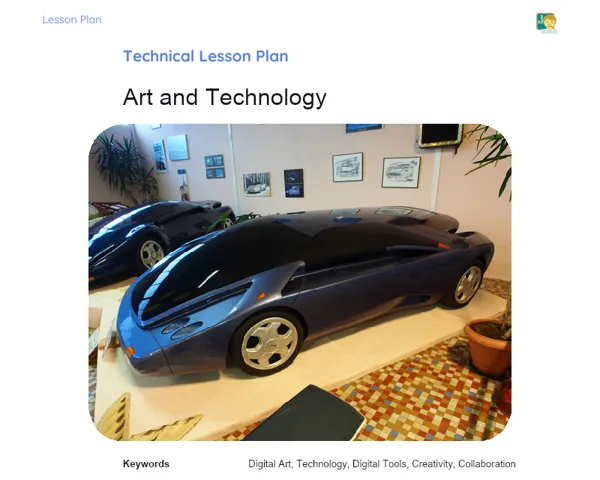
Lesson Plan Teknis | Art and Technology
| Palavras Chave | Art and Technology, Artistic Expression, Technological Tools, Digital Art, Art-Technology Intersection, Augmented Reality, Virtual Reality, 3D Modeling, Animation, Creativity, Innovation, Artistic Career Landscape, Democratization of Art |
| Materiais Necessários | Computers, Tablets, Internet Access, Online Tools (Tinkercad, Krita), Projector or TV, Short video on digital and interactive art, Paper and pens for notes |
Objective
Duration: (10 - 15 minutes)
The purpose of this lesson plan segment is to help students understand how technology can be seamlessly integrated into the arts and its transformative effect on contemporary art practices. By focusing on hands-on skills development, this segment prepares students to creatively employ technological tools, aligning them with current trends and demands in the artistic job market.
Objective Utama:
1. Explore how technology can enhance artistic expression.
2. Analyze instances of artworks that incorporate technology in creative ways.
3. Build hands-on skills in using technological tools for artistic purposes.
Objective Sampingan:
- Foster reflection on the evolving role and impact of technology in the arts.
- Encourage creativity and innovation through embracing new technologies.
Introduction
Duration: (10 - 15 minutes)
The objective of this portion of the lesson is to enlighten students on how technology can be harmoniously blended into the arts and its impact on modern artistic practices. By concentrating on practical skills development, this segment gears students up to creatively harness technological tools, linking them to the artistic job market's demands.
Curiosities and Market Connection
Did you know: Digital artist Beeple made headlines when a digital artwork sold for over 69 million dollars at auction? Market Example: Leading video game companies engage artists to develop intricate virtual landscapes and characters, utilizing cutting-edge 3D modeling and animation techniques.
Contextualization
Though art and technology might initially seem separate, they are increasingly intertwined in exciting and unexpected ways. From 3D-printed artworks to the use of augmented and virtual reality in exhibitions, technology is reshaping the creation and appreciation of art. This lesson aims to delve into these intersections and showcase the new creative opportunities technology provides.
Initial Activity
Initial Activity: Play a brief video (3-5 minutes) that features examples of digital and interactive art. After viewing, ask the thought-provoking question: 'In what ways do you think technology might reshape how we create and enjoy art in the future?' Facilitate a brief discussion where students can voice their thoughts.
Development
Duration: (40 - 45 minutes)
This segment aims to enable students to explore technological tools for creating art practically. Through producing a piece of digital work, students will have the chance to apply their knowledge, contemplate technology's impact on the arts, and prepare for future job market demands.
Topics
1. The merging of art and technology
2. Examples of digital artistic expressions
3. Technological tools for art-making
4. Influence of technology on artistic professions
Thoughts on the Subject
Encourage students to think critically about how technology has altered both the creation and consumption of art. Ask them to share their perceptions of these changes and consider whether technology can broaden opportunities for artistic creation.
Mini Challenge
Crafting Digital Art with Online Platforms
Students will embark on a challenge to create a piece of digital art using a complimentary online tool, such as Tinkercad or Krita. They should explore the diverse offerings of the chosen platform and craft a piece that reflects the confluence of art and technology.
1. Form groups of 3-4 students.
2. Provide tablets or direct students to computers with internet access.
3. Offer a brief introduction to Tinkercad and Krita, focusing on their key features.
4. Allocate 30 minutes for students to navigate the chosen tool and produce a piece of digital art.
5. After creation, each group will present their artwork to the class, detailing their choice of tool and the concept behind their creation.
Cultivate hands-on skills in utilizing technological tools for artistic creation while promoting creativity and innovation.
**Duration: (30 - 35 minutes)
Evaluation Exercises
1. Pose the question to students: What distinct differences exist between digital and traditional art creation?
2. Have each student write a short paragraph reflecting on how technology can democratize artistic creation.
3. Encourage students to identify at least two career paths that merge art and technology, along with the skills necessary for those roles.
Conclusion
Duration: (15 - 20 minutes)
This segment's goal is to solidify students' learning by reflecting on the connection between art and technology and how these insights can enhance their own creations. The final discussion and summary will reinforce key learnings and inspire students to continue exploring this vital subject, thus better equipping them for the artistic job market.
Discussion
Facilitate a closing discussion with the class, encouraging students to reflect on their experiences throughout the activities. Ask how they perceived the blend of art and technology during their digital creation. Invite them to share their experiences, challenges faced, and key learnings. Discuss their outlook on technology's future role in art and its potential impact on their own artistic expressions.
Summary
Provide a recap of the key points presented in the lesson, stressing the intersection of art and technology, various examples of digital artworks, and the technological tools utilized in artistic creation. Reinforce the significance of mastering these tools for success in the artistic job market and the expanded creative opportunities they offer.
Closing
Conclude by illustrating how the lesson effectively bridged theory and practice, demonstrating to students how technology can be a partner in their artistic endeavors. Emphasize the relevance of the skills they have gained for their future careers and stress the importance of keeping abreast of new technologies while continuously exploring their applications in art.