Lesson Plan | Traditional Methodology | Global Geopolitical Concepts
| Keywords | Geopolitics, History, Globalization, Territorial Disputes, Natural Resources, Political Alliances, Geographic Influence, Local Politics, Global Politics, Case Studies, International Conflicts, International Relations, Military Strategies |
| Required Materials | Whiteboard and markers, Multimedia projector, Presentation slides, World map, Printed support material on geopolitics, Pens and paper for notes, Computer with internet access, Short videos on examples of geopolitics, Geography textbook |
Objectives
Duration: 10 - 15 minutes
The aim of this stage is to establish a solid foundation for students to understand key concepts of geopolitics. By clearly outlining the objectives, students will know what to expect from the lesson and what skills they will be developing. This stage is crucial for paving the way for deeper discussions and for understanding the complex interactions between geography and politics in the global landscape.
Main Objectives
1. Introduce the fundamental concepts of geopolitics at a global level.
2. Explain how geopolitics is organized in the modern world.
3. Demonstrate how geography influences local and global policies.
Introduction
Duration: 15 - 20 minutes
The purpose of this stage is to spark students' interest and curiosity about the topic of geopolitics. By providing a historical and current context, along with relevant curiosities, the intention is to engage students and help them understand the importance and relevance of studying geopolitics. This prepares students for a deeper exploration of the concepts during the lesson.
Context
To begin the lesson on global geopolitics concepts, it is important to provide a historical and current context. Explain that geopolitics is the study of the influence of geographic factors on politics and international relations. Since ancient times, geography has always played a crucial role in military and political strategies. Today, in a globalized world, geopolitics involves the analysis of power between nations, territorial disputes, access to natural resources, and political and economic alliances. Emphasize how these geographic factors shape local and global policies and how they directly influence people’s lives.
Curiosities
An interesting fact is that the term 'geopolitics' was popularized in the early 20th century by a Swedish geographer named Rudolf Kjellén. He used the term to describe how states behave like living organisms, competing for space and resources. A modern example of geopolitics is the dispute over the Arctic, where the melting of polar ice caps is opening new maritime routes and access to vast natural resources, creating competition among various nations, including the United States, Russia, Canada, and Nordic countries.
Development
Duration: 50 - 60 minutes
The aim of this stage is to provide a detailed and in-depth understanding of geopolitics concepts and their application in the real world. By addressing specific topics and providing clear examples, students will see how geography and politics are interconnected and how these dynamics influence the global landscape. The proposed questions aim to reinforce learning, encouraging students to critically reflect on the content presented.
Covered Topics
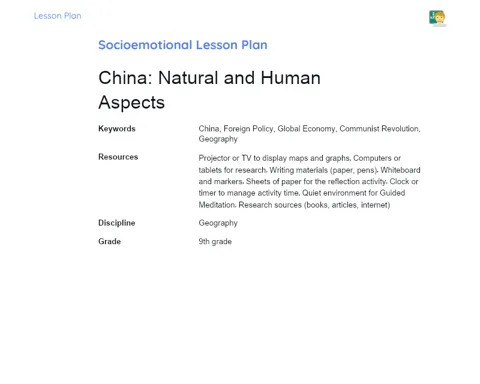
1. Concept of Geopolitics: Explain that geopolitics is the study of the influence of geographic factors on politics and international relations. Highlight how geographic location, natural resources, and borders affect political decisions. 2. Historical Background of Geopolitics: Describe how geopolitics has evolved over time, from ancient times to the contemporary period. Include historical examples, such as the Roman Empire, the Age of Discovery, and the Cold War. 3. Geopolitics in the Modern World: Analyze how geopolitics manifests currently. Address topics such as globalization, territorial disputes, access to natural resources, and political and economic alliances. Include contemporary examples like the Arctic dispute and China’s influence on the global economy. 4. Geography's Influence on Local and Global Politics: Explain how geography can directly influence local and global policies. Use examples such as the importance of the Panama Canal for world trade and the strategic relevance of the Middle East due to its oil reserves. 5. Case Studies: Present specific case studies to illustrate how geopolitics works in practice. For example, discuss the crisis in Crimea, the conflict between Israel and Palestine, and the rise of China as a superpower.
Classroom Questions
1. How can a country's geographic location influence its foreign policies? 2. Explain how geopolitics has evolved from ancient times to the present, highlighting important historical events. 3. Provide examples of how the competition for natural resources can affect international relations and cause conflicts.
Questions Discussion
Duration: 15 - 20 minutes
The purpose of this stage is to consolidate the knowledge acquired by students during the lesson, promoting critical and collaborative reflection on the discussed concepts. By reviewing the raised questions and engaging students in discussions, the aim is to ensure that they internalize the concepts of geopolitics and are able to apply them to concrete situations. This also provides an opportunity for the teacher to assess students' understanding and address any remaining doubts.
Discussion
-
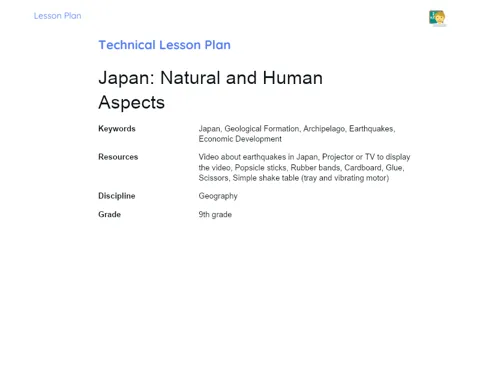
📌 How can a country's geographic location influence its foreign policies? A country's geographic location can determine its security, trade, and international alliance priorities. For example, island nations like Japan have significant maritime interests that influence their naval and trade policies. Countries located in strategic regions, like the Middle East, may have their foreign policies heavily influenced by the need to protect their oil reserves and transport routes.
-
📌 Explain how geopolitics has evolved from ancient times to the present, highlighting important historical events. In ancient times, geopolitics was centered around military strategies and territorial conquests, as seen in the Roman Empire. During the Age of Discovery, European powers competed for control of new lands and maritime routes. In the Cold War, geopolitics was dominated by the rivalry between the United States and the Soviet Union, focusing on containment and global influence. Today, geopolitics involves not only territorial disputes but also control of natural resources and the impact of globalization.
-
📌 Provide examples of how the competition for natural resources can affect international relations and cause conflicts. Competition for natural resources can lead to tensions and conflicts between nations. One example is the competition over oil reserves in the Middle East, which has led to various wars and international interventions. Another example is the dispute over the waters of the Nile River between Egypt, Sudan, and Ethiopia. Additionally, the growing demand for rare earth elements, essential for modern technology, has the potential to create conflicts between producing and consuming countries.
Student Engagement
1. ❓ How do you think geopolitics might change in the next 50 years? 2. ❓ What geographic factors do you think are most influential in Brazil's policies? Why? 3. ❓ How do you view China's influence on current international relations? What are the consequences of this influence? 4. ❓ Can you think of other examples where a country's geography influenced its political decisions? 5. ❓ _What are possible solutions to geopolitical disputes related to natural resources? Discuss.
Conclusion
Duration: 10 - 15 minutes
The aim of this stage is to consolidate learning, recapping the main points addressed and reinforcing the connection between theory and practice. This helps ensure that students internalize the discussed concepts, understand their importance, and can apply them in real contexts.
Summary
- Concept of geopolitics: Study of the influence of geographic factors on politics and international relations.
- Historical evolution of geopolitics: From ancient times to the contemporary period.
- Geopolitics in the modern world: Globalization, territorial disputes, access to natural resources, and political and economic alliances.
- Geography's interference in local and global politics: Examples like the Panama Canal and the strategic relevance of the Middle East.
- Case studies: Crisis in Crimea, conflict between Israel and Palestine, and the rise of China as a superpower.
The lesson connected theory with practice by presenting historical and contemporary examples that illustrate how geopolitics impacts nations' political and economic decisions. Specific case studies helped demonstrate the practical application of the discussed concepts, showing how geopolitics directly influences both global and local dynamics.
The study of geopolitics is crucial for understanding the world we live in. By analyzing how geographic factors shape local and global policies, students gain a better understanding of international news, relationships between countries, and the reasons behind conflicts and alliances. Curiosities, such as the Arctic dispute, highlight the practical and current relevance of the topic.