
Crisis to Culture: The 1970s Look Explained
**Section role:** Supports the 'Decoding the Decade' formalization section (Section 3) while the teacher leads the debrief of group presentations. The slides provide visual evidence that anchors the teacher's explanations of formal concepts (stagflation, oil embargo, Watergate effect) to concrete cultural artifacts. The deck bridges the students' discovery phase (Section 2) to the assessment (Section 4) by demonstrating the causal chain: crisis → cultural response → modern legacy. **Slide outline:** 1. **Title Slide — 'From Crisis to Culture: Why the 1970s Looked the Way It Did'** • Hook question to ground the presentation's argument: culture reflects material conditions, not accident 2. **The Perfect Storm: Economic Crisis (1973–1979)** • Define stagflation: high inflation + high unemployment simultaneously (visual: inflation chart rising sharply) • Oil Embargo trigger: OPEC restricts U.S. oil supply in response to Middle East conflict • Real consequence: gas lines, rationing, economic anxiety (image: iconic 1970s gas station queue) 3. **The Car Responds: Fuel Efficiency as Survival** • Side-by-side comparison of 1960s gas-guzzler advertisement vs. 1970s compact car ads emphasizing MPG • Specific examples: Honda Civic, Volkswagen Rabbit, Toyota Corolla emerge as market leaders • Visual: 1970s car ad with headline highlighting fuel economy (e.g., "35 MPG—Your Answer to the Crisis") • Connection: pragmatism replaces status symbols 4. **Fashion in the Age of Inflation: Why Polyester?** • Polyester as economic logic: durable, washable, affordable (high inflation → cheaper alternatives essential) • Studio 54 fashion counterpoint: disco fashion as visual escapism from economic anxiety (sequins, metallics, bold colors) • Unisex movement: practical clothing responding to women's workforce participation and inflation pressures • Visual: 1970s fashion spread showing both utilitarian polyester and Studio 54 glitter 5. **Political Distrust: Watergate and Entertainment** • Watergate scandal's effect on cinema: cynicism toward institutions becomes mainstream narrative • 'New Hollywood' emerges: darker, more complex films reflecting public skepticism (example: *All the President's Men*, 1976) • Contrast: escapist blockbusters (Jaws, Star Wars) as psychological response to political malaise • Visual: Watergate hearing image + poster montage of cynical vs. escapist 1970s films 6. **Music as Economic Response: Punk and Disco** • Punk music rises from DIY ethos born of economic necessity: no money for studios, so garage recordings; no industry support, so independent labels • Disco emerges simultaneously: expensive sound engineering and nightclub escapism—a parallel response to stagflation (some sought creation, others sought immersion) • Visual: punk band (Sex Pistols or Ramones) recording setup vs. Studio 54 dance floor • Lyrics and attitude contrast: punk's anger at institutions vs. disco's hedonistic present-moment focus 7. **The Birth of the Blockbuster: Technology and Spectacle** • Post-Vietnam, post-Watergate audiences seek immersive, escapist spectacles: Jaws (1975) and Star Wars (1977) pioneer large-scale, special-effects-driven cinema • Altair 8800 (1975) and early personal computers preview the digital future, foreshadowing sci-fi's grip on imagination • Visual: Jaws theatrical lobby poster, Star Wars X-wing dogfight still, Altair 8800 computer • Connection: technology and fantasy as antidotes to political and economic malaise 8. **The Counterculture Turns Inward: The 'Me Decade'** • 1960s activism and community focus shift to personal improvement: jogging, aerobics, self-help books explode • Environmental consciousness (first Earth Day, 1970) becomes part of personal identity and product design • Visual: 1970s fitness culture imagery (runners, aerobics classes, book covers of Erica Jong and self-help gurus) • Stagflation's psychological effect: when institutions fail and the future feels uncertain, people invest in their own bodies and minds 9. **The Visual Bridge: From 1970s to Today—Retrofuturism** • 1970s aesthetics (earth tones, rounded shapes, geometric simplicity) now marketed as 'retro-cool' in contemporary design and fashion • Modern examples: 1970s-inspired furniture and fashion lines, electric vehicles that echo 1970s fuel-efficiency pragmatism, digital minimalism as echo of 1970s DIY ethos • Show current brand campaigns (Fila, Adidas Originals, furniture design) referencing 1970s aesthetics • The cultural memory of the 1970s as 'style' proves the decade was about responding to real pressures—and those aesthetic solutions still resonate 10. **Closing Slide — 'Culture Reflects Crisis: What Will 2035 Look Like?'** • Prompt hands control back to the teacher for transition to the assessment phase: "What economic or political crisis of today is shaping culture in ways we don't yet recognize as 'style'?" • Sets up the individual assessment task (Section 4) where students must identify present-day trends rooted in current conditions **Concrete examples and vocabulary embedded:** Stagflation, Oil Embargo (1973), OPEC, gas lines, fuel efficiency, MPG, polyester, Studio 54, Watergate, cynical cinema, New Hollywood, *All the President's Men*, *Jaws* (1975), *Star Wars* (1977), punk DIY, disco, Altair 8800, personal computers, jogging/aerobics, first Earth Day (1970), the 'Me Decade', retrofuturism, Honda Civic, Volkswagen Rabbit, Toyota Corolla. **Hooks to surrounding sections:** The slides visually validate the discoveries students made in their group 'Trend Analysis' (Section 2)—each group's assigned category gets visual evidence on-screen. The closing question primes students for the exit-ticket assessment (Section 4) by inverting the lens: if 1970s culture reflected 1970s crises, what does *their* world reveal about 2024 pressures?

Need customized slides for your lessons?
I can generate slides, activities, summaries, and 60+ types of materials. That's right, no sleepless nights here :)
People who viewed this slide also liked...

Presentation
Poverty: Elizabethan Era to Modern Day

Taiba khan
-
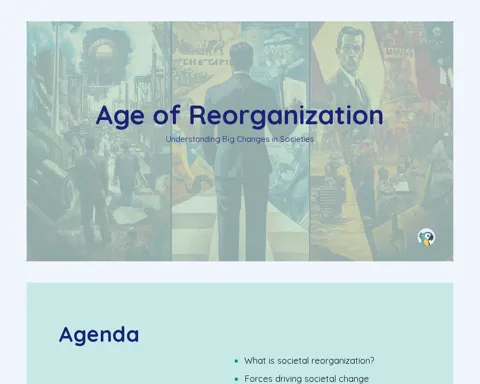
Presentation
Age of Reorganization

SHWETA ALLUR RAO
-
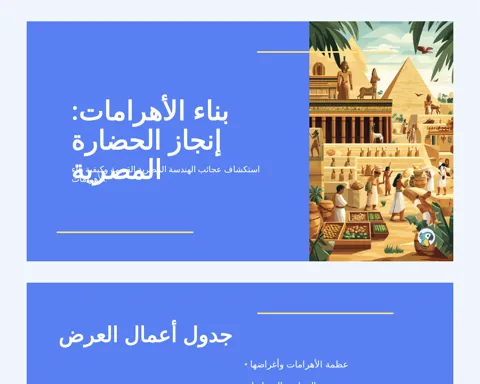
Presentation
بناء الأهرامات: إنجاز الحضارة المصرية

Ali Ali
-
Presentation
The Rise and Fall of the Byzantine Empire

nelson mokoso
-

Join a community of teachers directly on WhatsApp
Connect with other teachers, receive and share materials, tips, training, and much more!

Reinvent teaching













Resources
2026 - All rights reserved