Summary of Child Psychology
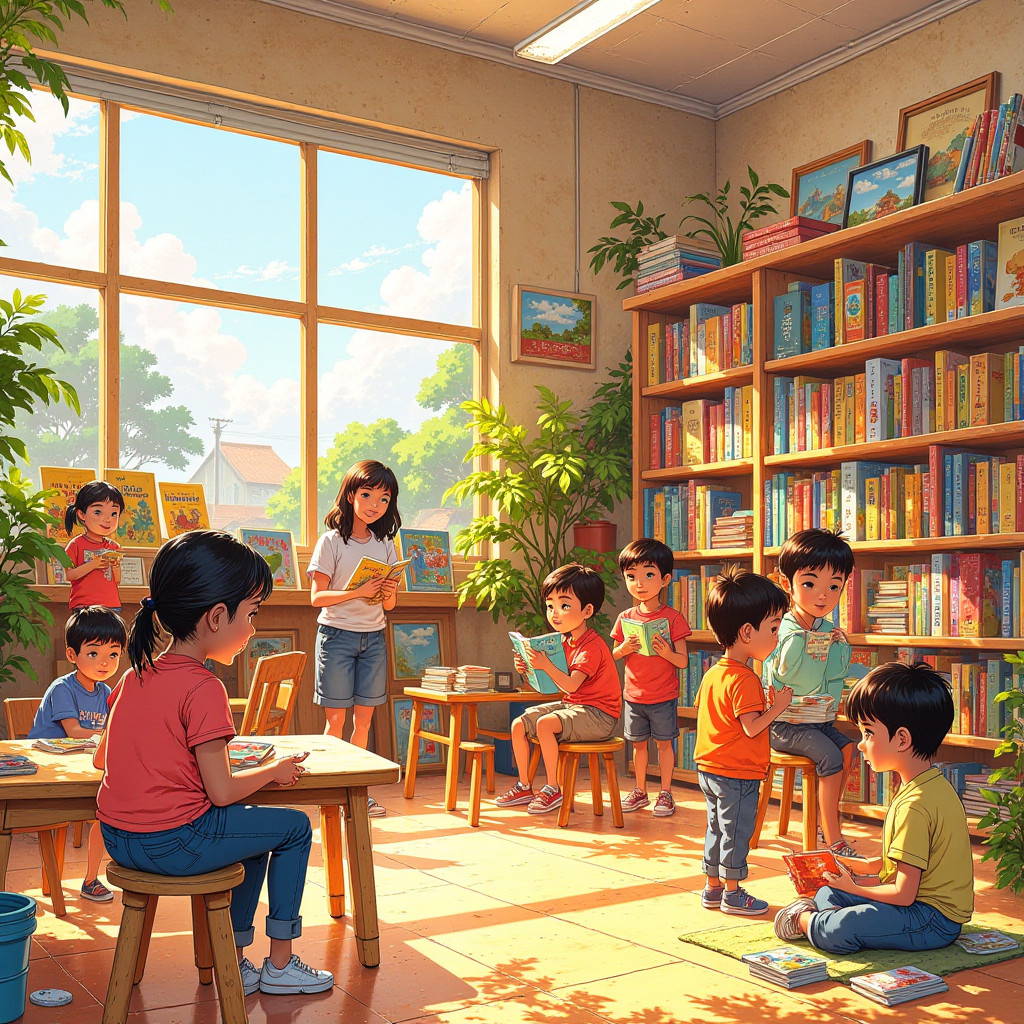
Child psychology is a specialised branch of psychology that focuses on the mental, emotional, and behavioural development of children from infancy through adolescence. It investigates how children grow, learn, and adapt to their environments, considering biological, social, and cultural factors. In the Indian context, understanding child psychology is crucial due to the diverse socio-cultural backgrounds and rapid socio-economic changes impacting childhood development. This summary outlines the fundamental problems, research methodologies, key findings, theoretical discussions, and practical implications of child psychology.
Core Problems in Child Psychology
- Understanding cognitive, emotional, and social development stages unique to childhood.
- Investigating the effects of family dynamics, education, and cultural practices on child behaviour.
- Addressing developmental disorders and mental health issues prevalent among Indian children.
- Exploring the impact of socio-economic disparities and urban-rural differences on child development.
Research Methodologies in Child Psychology
- Longitudinal studies tracking developmental changes over time in Indian children.
- Experimental designs assessing cognitive functions such as memory, attention, and language acquisition.
- Observational methods in naturalistic settings like homes and schools to understand social interactions.
- Use of psychometric tools adapted for Indian populations to evaluate intelligence and personality traits.
Key Findings and Results
- Piaget’s stages of cognitive development are widely applicable but show variation influenced by Indian educational practices and family structures.
- Attachment theory highlights the importance of secure bonds, with extended family support playing a significant role in Indian households.
- Early childhood education and stimulation significantly enhance cognitive and language skills, emphasising the need for quality preschool programmes.
- Mental health issues such as anxiety and behavioural problems are rising, necessitating culturally sensitive intervention strategies.
Discussion and Theoretical Perspectives
- Integrating Western developmental theories with indigenous knowledge and cultural values enriches understanding of child psychology in India.
- The role of collectivist culture influences social development differently compared to individualistic societies.
- Challenges include balancing traditional child-rearing practices with modern psychological approaches.
- Emphasis on the ecological systems theory, recognising multiple layers of influence from family, community, and societal levels.
Implications for Practice and Policy
- Development of culturally appropriate psychological assessments and interventions tailored for Indian children.
- Promotion of parental education programmes to foster supportive home environments.
- Incorporation of child psychology principles in school curricula to address emotional and behavioural issues early.
- Policy initiatives aimed at reducing disparities in child health and education across different regions of India.
Summary of Key Points
Child psychology in India involves understanding the complex interplay of biological, psychological, and socio-cultural factors influencing child development. Research employs diverse methodologies to capture this complexity, revealing significant cultural variations and the importance of family and community. Theoretical integration and culturally sensitive practices are essential for effective child mental health care and education. Policymakers and practitioners must address regional disparities and support holistic child development to ensure the well-being of India’s younger generations.