Summary of Intestinal Disorders
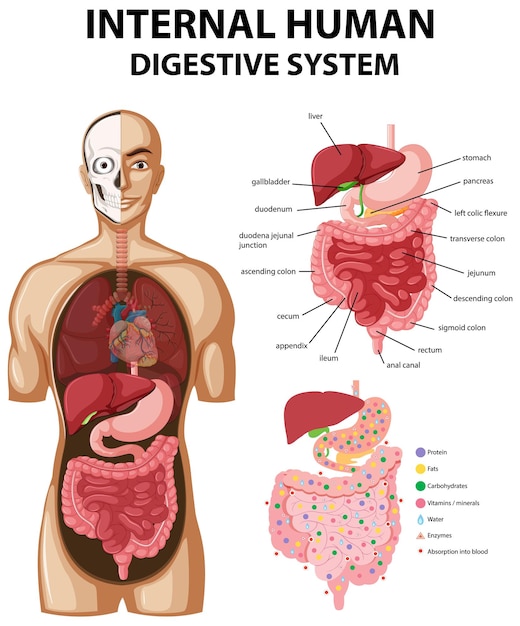
Intestinal disorders encompass a wide range of conditions that affect the gastrointestinal tract, impacting the body's ability to digest food, absorb nutrients, and eliminate waste. These disorders can range from acute infections to chronic inflammatory conditions, each with distinct causes, symptoms, and management strategies. Understanding the etiology, pathophysiology, and clinical manifestations of these disorders is crucial for effective diagnosis and treatment.
Malabsorption Syndrome
- Malabsorption syndrome is a gastrointestinal disorder characterized by the small intestine's inability to absorb nutrients from digested food, often leading to steatorrhea (fatty stools) and weight loss.
- Etiology and Classification: Faulty absorption can result from either faulty digestion, where nutrients are not broken down into an absorbable form, or from the impaired transport of digested nutrients across the brush border of the villi in the small intestine.
- Diseases Causing Malabsorption: Several diseases can lead to malabsorption, including celiac disease (damage to the small intestine due to gluten ingestion), dermatitis herpetiformis (itchy skin condition triggered by celiac disease), tropical sprue (chronic digestive disorder), bacterial overgrowth, Whipple's disease (stunted growth of villi), short bowel syndrome (often due to surgical removal), lactase deficiency (lactose intolerance), and parasitic infestations like Giardiasis.
- Clinical Manifestations: Common symptoms include steatorrhea (more than 7g of fat in stool daily, characterized by pale, bulky, offensive stools), wasting (due to failure of nutrient absorption), and gastrointestinal manifestations such as abdominal distension, borborygmi (stomach rumbling), flatulence, and abdominal discomfort.
- Signs and Symptoms of Specific Deficiencies: Malabsorption can lead to various deficiencies, resulting in fatigue (due to anemia and/or hypokalemia), edema (due to hypoproteinemia and/or anemia), tetany (due to hypocalcemia), hemorrhage (due to vitamin K malabsorption), anemia (due to iron deficiency), decreased libido, glossitis and stomatitis (due to folic acid and vitamin B deficiencies), and osteoporosis/osteomalacia (due to hypocalcemia and vitamin D deficiency).
- Diagnosis: Diagnosis involves stool microscopy, culture, sensitivity tests, and jejunal biopsy obtained through jejunoscopy.
- Radiological Findings: A barium meal can reveal a dilated and segmented small intestine with loss of the normal feathery appearance of the jejunum.
- Treatment: Treatment depends on the underlying cause, and hospitalization may be necessary in severe cases of starvation.
Crohn's Disease
- Crohn's disease is a chronic inflammatory condition that can affect any part of the gastrointestinal tract, but most commonly involves the distal ileum and colon, characterized by abdominal cramps, chronic diarrhea, and fever.
- Causes: The exact cause is unknown, but it is associated with genetic factors, autoimmune disorders, previous infections, and smoking.
- Pathophysiology: Crohn's disease can affect any part of the GI tract, with inflammation involving all layers of the bowel wall. Ulcerations are typically deep and longitudinal, causing a cobblestone appearance. Thickening of the bowel wall and narrowing of the lumen can occur, along with abscesses or fistula formation.
- Clinical Manifestations: Symptoms depend on the anatomical site and extent of the disease, including abdominal cramps, chronic diarrhea, melena (bloody stools), weight loss, fever, nausea, vomiting, and constipation.
- Management: Aims include controlling the inflammatory process, relieving symptoms, and correcting metabolic and nutritional problems.
- Diagnostic Studies: Investigations include stool tests for occult blood, barium enema to reveal strictures and fissures, small bowel X-rays to show irregular mucosa and ulcerations, sigmoidoscopy/colonoscopy to identify patchy areas of inflammation, biopsy to reveal granulomatous tissue, and blood tests to show increased white blood cell count and reduced hemoglobin levels.
- Drug Therapy: While there is no specific cure, corticosteroids (e.g., prednisolone) can help decrease inflammation. Antibiotics (e.g., metronidazole) can be used for bacterial infections, and anti-diarrheal medications (e.g., loperamide) can reduce intestinal motility. Analgesics like paracetamol can relieve pain.
- Other Measures: Vitamin supplements may compensate for malabsorption. Severe cases may require nil orally and parenteral feeds. Surgery may be necessary to remove affected parts, repair fistulas, or drain abscesses.
- Patient Education (IEC): Teach patients about the disease, signs, symptoms, complications, importance of rest, drug compliance, follow-up appointments, and balanced nutrition.
- Complications: Complications include abscesses, obstruction, fistulas, perianal disease, increased risk of colon carcinoma, hemorrhage, intestinal obstruction, malabsorption, malnutrition, and perforation.
Cholera
- Cholera is a highly infectious gastrointestinal tract disorder caused by Vibrio cholerae, characterized by rice watery diarrhea, projectile vomiting, and dehydration.
- Causative Organism: Cholera is caused by Vibrio cholerae, with two biotypes: classical cholerae vibrio and hemolytic el-tor vibrio.
- Characteristics of Vibrio Cholerae: The bacteria are comma-shaped, aerobic, Gram-negative, non-spore forming, and highly motile with flagella. They are killed by heat at 55°C and various disinfectants but can survive in aquatic environments for extended periods.
- Incubation Period and Predisposing Factors: The incubation period is 2 hours to 5 days. Predisposing factors include drinking contaminated water, eating contaminated food, direct contact with an infected person, poor environmental sanitation, lack of handwashing, eating uncovered food, not warming foods, and not washing fruits or hands after using the toilet.
- Pathophysiology: Vibrio cholerae enters the body through contaminated food and water. The bacteria adhere to the intestinal mucosa, multiply rapidly, and secrete a toxin called choleragen, which disrupts intestinal cell physiology and activates adenylate cyclase, causing a massive fluid/electrolyte shift into the intestinal lumen, leading to severe dehydration, electrolyte imbalance, and shock.
- Signs and Symptoms: The evacuation phase includes mild to acute onset of diarrhea with rice water stool and projectile vomiting. The collapse phase involves muscle cramps, metabolic acidosis, hypotension, tachycardia, cold clammy skin, and oliguria. The recovery phase involves improvement of the patient's general condition and decline of signs and symptoms.
- Medical Management: Aims include identifying the causative organism, eradicating the cause, correcting fluid and electrolyte imbalance, eliminating the organism, and preventing complications such as shock.
- Investigations: Investigations include history of being in an endemic area, clinical features (e.g., rice watery stool, severe dehydration), rapid diagnostic tests, stool microscopy, and stool culture.
- Medical Treatment: Treatment includes antibiotics like doxycycline and ciprofloxacin, as well as cotrimoxazole and erythromycin. Intravenous fluids and paracetamol are also administered.
- Nursing Care: Aims include rehydrating the patient, preventing the spread of infection, and preventing complications such as shock and acute kidney injury (AKI).
- Nursing Interventions: Interventions include patient isolation, infection prevention, disease notification, fluid therapy, observations, psychological care, hygiene, nutrition, elimination management, medication administration, and advice on discharge.
- Complications: Complications include paralytic ileus, renal failure, metabolic acidosis, hypoglycemia, pulmonary edema, and shock.
- Prevention: Prevention includes hand hygiene, food safety, water treatment, environmental sanitation, vaccination, avoiding gatherings, and massive basic health education.
Dysentery
- Dysentery is an inflammatory and ulcerative disorder of the colon characterized by diarrhea containing mucus and/or blood, fever, and abdominal pain.
- Causes: Causes include invasive E. coli, Hemorrhagic E. coli, Yersinia enterocolitica, Salmonella species, and Entamoeba histolytica.
- Types of Dysentery: Types include bacillary dysentery (shigellosis) and amoebic dysentery (amoebiasis).
Bacillary Dysentery (Shigellosis)
- Bacillary dysentery is an acute inflammation and ulceration of the large intestines caused by Shigella species, characterized by small, frequent bowel movements consisting of blood and mucus in the stool.
- Predisposing Factors: Predisposing factors are summarized by the 6 F's: fomites, food, feces, fingers, fluids, and flies.
- Mode of Transmission: Transmission occurs via the fecal-oral route, with flies also contributing to contamination.
- Incubation Period: The incubation period is 1-7 days.
- Pathophysiology: Shigella invades the large intestine, causing inflammation and ulceration of the mucosa, leading to blood-stained stool and mucoid discharge.
- Signs and Symptoms: Symptoms include fever, dehydration, abdominal discomfort, nausea, vomiting, colic abdominal pains, bloody diarrhea, and tenesmus.
- Investigations: Investigations include history taking, stool microscopic examination, rectal swab for culture and sensitivity, stool culture, and sigmoidoscopy.
- Treatment: Treatment includes fluid and electrolyte replacement, oral rehydration salts (ORS), intravenous fluids (IVF), nalidixic acid, ciprofloxacin, and trimethoprim-sulfamethoxazole.
- Nursing Management: Nursing management includes patient isolation, infection prevention, disease notification, fluid therapy, observations, psychological care, hygiene, nutrition, elimination management, medication administration, and advice on discharge.
Amoebic Dysentery (Amoebiasis)
- Amoebiasis is an infection caused by Entamoeba histolytica, leading to chronic enteric infection and ulceration of the large intestines.
- Cause: The cause is Entamoeba histolytica.
- Predisposing Factors: Same as for bacillary dysentery.
- Mode of Transmission: Transmission occurs via the fecal-oral route, with vectors such as flies, cockroaches, and rodents.
- Incubation Period: The incubation period can take 2 weeks or years.
- Pathophysiology: Ingested cysts enter the GIT, releasing trophozoites that multiply and ulcerate the intestinal mucosa. Amoebae can reach the liver, causing liver abscesses.
- Signs and Symptoms: Symptoms include gradual onset of abdominal discomfort, mildly loose stools with or without blood and mucus, diarrhea alternating with constipation, tenderness over the caecum, transverse colon or sigmoid, fever, and abdominal pains. Hepatic amoebiasis can lead to body malaise, swinging temperature, sweating, enlarged tender liver, foul-smelly stool, and weight loss.
- Investigations: Investigations include stool tests, history of blood-stained stool, physical inspection for dehydration, rectal swab culture, blood tests, sigmoidoscopy, and liver scan.
- Treatment: Treatment includes metronidazole, Septrin, doxycycline, Panadol, and intravenous fluids.
- Nursing Management: Nursing management includes patient isolation, infection prevention, disease notification, fluid therapy, observations, psychological care, hygiene, nutrition, elimination management, medication administration, and advice on discharge.
- Prevention and Control: Prevention and control are similar to those for cholera.
- Complications: Complications include perforation of the colon, peritonitis, rectal prolapse, hematogenous dissemination of shigellas, hemolytic uremic syndrome, toxic megacolon, conjunctivitis, iritis, peripheral neuropathy, hemiplegia, encephalopathy, septicemia, hyponatremia, Reiter's syndrome, and liver abscess.
Typhoid Fever (Salmonella Infection)
- Typhoid fever is a systemic infectious disease caused by Salmonella typhi, characterized by high continuous fever, malaise, and involvement of lymphoid tissues and spleen.
- Causative Organism: The causative organism is Salmonella typhi, which is killed by drying, pasteurization, and common disinfectants.
- Reservoir of Infection: Humans are the only reservoir. Cases and carriers are infectious as long as bacilli appear in stools or urine.
- Source of Infection: Primary sources are feces and urine of cases or carriers. Secondary sources are contaminated water, food, fingers, and flies.
- Environmental and Social Factors: Incidence rises during the rainy season. Bacilli can survive in water, ice, food, milk, and soil for varying periods.
- Incubation Period: The incubation period is usually 10-14 days.
- Mode of Transmission: Transmission occurs via the oral-fecal route through ingestion of contaminated water and food.
- Pathogenesis: Infection occurs through ingestion of organisms that penetrate the intestinal mucosa and multiply. They travel to mesenteric lymph nodes, enter the bloodstream, and are transported to the liver and spleen.
- Clinical Manifestations: The course of untreated typhoid fever is divided into four stages, each lasting approximately one week. Week 1 involves non-specific features, severe headache, malaise, anorexia, body pains, epistaxis, step-ladder fever, mild cough, constipation, and enlarged tender spleen. Week 2 involves a toxic state with sustained high temperature, confusion, hallucinations, slight abdominal distension, tenderness, rose spots, and relative bradycardia. Week 3 involves increased toxicity, continuous high fever, delirium, abdominal distension, scanty bowel sounds, crackles, diarrhea, hepatosplenomegaly, elevated liver transaminases, considerable weight loss, and positive Widal reaction. Week 4 involves gradual improvement in fever, mental state, and abdominal distension, but intestinal complications may still occur.
- Investigations: Investigations include the Widal test, blood culture, fecal and urine cultures, and detection of IgG and IgM antibodies.
- Drug Therapy: Treatment includes antibiotics (ciprofloxacin, cotrimoxazole, azithromycin), antipyretics (paracetamol), and fluid and electrolyte replacement therapy.
- Nursing Management: Nursing management includes patient isolation, infection prevention, disease notification, fluid therapy, observations, psychological care, hygiene, nutrition, elimination management, medication administration, and advice on discharge.
- Prevention and Control: Control involves early diagnosis, notification, isolation, treatment, disinfection, follow-up, carrier management, sanitation control, and mass immunization with typhoid vaccine.
- Complications: Complications include intestinal hemorrhage, intestinal perforation, liver/gallbladder/pancreas complications, cardiorespiratory complications, nervous system complications, and hematological/renal complications.
Paratyphoid Fever
- Paratyphoid fever is similar to typhoid fever but less severe, caused by Salmonella paratyphi types A, B, or C.
- Specific Nursing Care: Aims include rehydrating the patient, managing fever, preventing the spread of infection, and preventing complications such as bowel perforation.
- Environment/Enteric Isolation: Nursing interventions include careful hand washing, wearing gloves, careful disposal of excretions, disinfecting bed pans, cleaning articles, disposing of linen, and providing hand washing facilities.
- Observations: Observations include recording temperature, pulse, blood pressure, and respirations, reporting abnormalities, avoiding aspirin, and monitoring for signs of intestinal bleeding.
- Fluid Maintenance: Interventions include recording input and output, intravenous infusion, and encouraging oral fluids.
- Hygiene: Ensure the anal region is kept clean, provide mouth care, pressure area care, change bed linen, and provide hand washing facilities.
- Elimination: Position the patient near the toilet, record stool type, ensure privacy, use plastic draw sheets, and provide hand washing facilities.
- Nutritional Needs: Provide a high-calorie, low-fiber, soft, or liquid diet.
Conclusion
Intestinal disorders present a significant challenge to public health, requiring a comprehensive understanding of their diverse etiologies, pathophysiologies, and clinical presentations. Effective management relies on accurate diagnosis through clinical assessment, laboratory investigations, and radiological findings. Treatment strategies vary depending on the specific disorder but often include pharmacological interventions, fluid and electrolyte management, nutritional support, and surgical procedures when necessary. Public health measures, such as sanitation, hygiene education, and vaccination, play a crucial role in preventing the spread of infectious intestinal diseases.