Socioemotional Summary Conclusion
Goals
1. Describe various types of housing and everyday items, recognising the techniques and materials used in their creation.
2. Compare housing and everyday objects, focusing on their similarities and differences in characteristics and functions.
3. Develop socio-emotional skills such as self-awareness, self-regulation, empathy, and teamwork.
Contextualization
Have you ever paused to consider how people live across the globe? 🏠🌍 From sturdy brick houses to vibrant fabric tents, each style of housing and everyday object narrates a unique story about the culture and resources of its locality. Let’s delve into these differences and comprehend how they intertwine with our daily lives. Are you prepared for this exciting journey of discoveries and learning? 🚀
Exercising Your Knowledge
Types of Housing
Housing differs vastly across the world, shaped by varying climatic, cultural, and economic conditions. From concrete apartments to mud huts and traditional thatched cottages, each type of housing not only offers shelter but also mirrors the identity and heritage of its community. Grasping these varied housing types enables us to value the diversity and creativity of human solutions to one of our biggest challenges: providing shelter.
-
Brick Houses: Frequently seen in urban areas, these homes are known for their robustness and heat resistance. 🧱 Made from baked clay, they can differ in design based on regional influences.
-
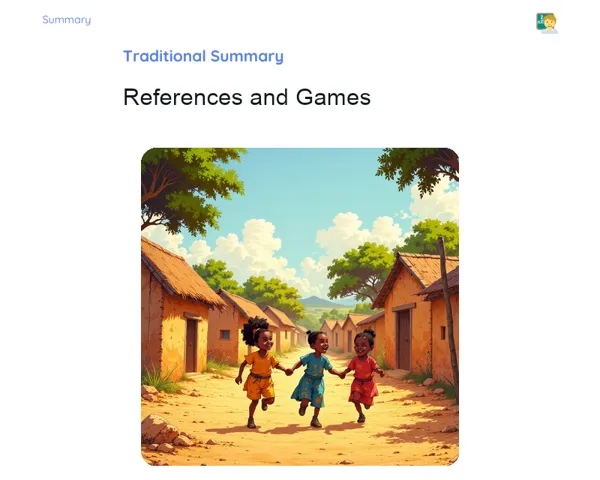
Mud Huts: Typically found in rural and semi-urban areas, these homes are constructed using traditional materials like mud and thatch. 🌾 They are an eco-friendly and economical option.
-
Traditional Cottages: Common in certain regions, these are built with locally sourced materials and adapted to climate challenges. 🏡
Materials Used in Construction
The materials selected for constructing homes depend on local resources and environmental contexts. Wood, bricks, mud, thatch, and even bamboo are excellent examples that showcase human adaptability to their surroundings. Besides their practical use, these materials often influence the visual appeal and sustainability of the structures.
-
Wood: Favoured in construction for its renewability and versatility. 🌲 Particularly prevalent in forested areas.
-
Bricks: Crafted from clay, they are sturdy and provide excellent insulation, widely used in urban settings. 🧱
-
Concrete: A composite of cement, sand, and water, known for its robustness and extensively used in contemporary constructions. 🏗️
-
Thatch: An eco-friendly and cost-effective material, frequently applied in rural areas. 🌾
-
Bamboo: A sustainable choice in several regions, offering strength and flexibility in construction. 🌱
Everyday Objects and Furniture
The furniture and items we use daily are essential for our routines, from comfortable sleeping arrangements to executing chores and enjoying leisure activities. They cater to specific needs and often reflect the culture and materials found in the area.
-
Beds: Important for rest and recuperation. 🛏️ Available in various styles and materials depending on cultural influences.
-
Tables: Integral for dining, studying, and working. 🍽️ Materials can range from wood to glass and metal.
-
Toys: Designed for entertainment and education, they represent creativity and utilize local resources. 🎲
-
Appliances: They simplify daily tasks and enhance life quality, ranging from basic fans to intricate kitchen gadgets. 🔌
Key Terms
-
Housing: The physical space where people reside, which can vary in design and building materials.
-
Sustainable Construction: Utilizing materials and methods that lessen environmental impact.
-
Material Culture: Items and artifacts that embody the culture and values of a community.
-
Diversity: The rich variety of lifestyles and adaptations to the environment.
For Reflection
-
How can the choice of building materials influence the environment and the quality of life for individuals?
-
In what ways do the objects and furniture in your home mirror the culture and resources available in your region?
-
How would you feel if placed in a different type of housing than you’re accustomed to? What challenges and advantages might you face?
Important Conclusions
-
We explored the diverse housing types worldwide, each showcasing unique characteristics that represent local culture and resources.
-
We discussed the various materials used in constructing these homes, such as wood, brick, mud, and thatch, and how these choices are influenced by environmental conditions and available resources.
-
We identified and compared everyday objects and furniture, understanding their significance and roles in our daily lives.
Impacts on Society
Housing and everyday items significantly influence our society, providing not just shelter and comfort but also serving as reflections of cultural, economic, and environmental adaptations. By understanding these facets, we enhance our comprehension of diverse realities and cultivate empathy towards individuals from different regions.
Additionally, knowledge about production methods and sustainable materials can shape our future decisions, paving the way for a more sustainable and conscientious society. By learning about these approaches, we empower ourselves to make informed, responsible choices that can positively impact our community and the environment.
Dealing with Emotions
Let's do a RULER exercise to manage our feelings while studying this topic. First, recognise the emotions you experienced during the lesson and while observing various housing types. Then, explore why you felt that way – was it curiosity, surprise, joy? Identify those emotions accurately. Now, express them through writing or drawing. Finally, regulate those emotions by engaging in a calming activity, like a brief mindfulness session or a discussion with a friend or family member about your learning.
Study Tips
-
Create a visual diary with drawings or collages of various housing styles and everyday items you discovered in your research.
-
Dive into books or reliable online resources about diverse cultures and their influences on housing and everyday objects. Share your insights with the class!
-
Plan a visit to a nearby museum or exhibition that displays various housing styles and everyday items from different parts of the world. Note your observations and compare them with what we've discussed in class.