
Objectives
1. 🌟 Understand the concept of the animal life cycle, identifying the phases and the changes that take place in each one.
2. 🔍 Analyze how healthy development in animals is crucial for the survival of species and the well-being of our ecosystem.
Contextualization
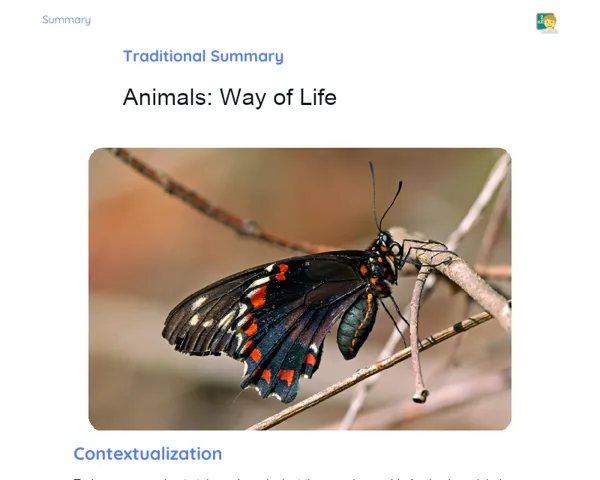
Did you know that a butterfly goes through four distinct stages during its life cycle? It begins as a tiny egg, then transforms into a caterpillar that munches on leaves, later becoming a pupa inside a cocoon, and finally emerging as a beautiful adult butterfly! This fascinating transformation is just one of many examples that show us how studying animal life cycles reveals incredible insights into adaptation and the survival of species in their natural habitats. Understanding these cycles is vital, not only for protecting these animals but also for maintaining the balance of the ecosystems they call home.
Important Topics
Metamorphosis
Metamorphosis is an extraordinary process during which certain animals experience significant changes as they develop. A well-known example is the butterfly, which goes from egg to caterpillar, then to pupa, and ultimately to adult butterfly. This process demonstrates not only the adaptability of species but also the essential interdependence of each phase for the survival and reproduction of the animal.
-
Metamorphosis illustrates how animals can adapt to varying environments throughout their life stages.
-
Each stage of metamorphosis has its unique characteristics that prepare the animal for the next phase, ensuring its survival and successful reproduction.
-
This process is important for understanding how evolutionary pressures shape the survival strategies and reproductive success of animals.
Mammal Life Cycle
Mammals, including humans, have a life cycle characterized by the birth of live offspring, growth, maturity, and reproduction. This cycle is crucial for maintaining healthy mammal populations and has direct implications for the dynamics of the ecosystem. Understanding this cycle supports conservation efforts and helps in maintaining ecological balance.
-
Mammals often provide extended parental care, significantly increasing the chances of survival for their young.
-
The ability of mammals to adapt to various environments is evident in different aspects of their life cycle, like migration and hibernation.
-
Studying mammalian life cycles gives us valuable insights into ecosystem health and the necessity for effective conservation strategies.
Interdependence in the Ecosystem
Interdependence within the ecosystem is a fundamental concept that explains how different organisms and their life cycles are interconnected and rely on each other for survival. For instance, plants depend on pollinators for reproduction, while predators rely on prey. A clear understanding of this interdependence is vital for conserving our environment and maintaining biodiversity.
-
The extinction of one species can have a profound impact on other species that depend on it, highlighting the interconnectedness of all life cycles.
-
The overall health of an ecosystem can be gauged by the strength of the interdependencies among species and their respective life cycles.
-
Raising awareness about interdependence fosters conservation initiatives and helps protect critical habitats.
Key Terms
-
Metamorphosis: A significant transformation occurring during the life cycle of certain animals, like insects and amphibians.
-
Life Cycle: The series of stages an organism goes through from birth to death.
-
Ecosystem: A biological community that includes all living organisms in a specific area along with the non-living components of the environment.
For Reflection
-
How can a disruption in one phase of the life cycle impact the entire population of a species?
-
In what ways can understanding animal life cycles assist in conservation efforts?
-
What effects do human activities have on animal life cycles, and how can we address these impacts?
Important Conclusions
-
🌍 Exploring the life cycle of animals helps us understand the amazing stages they go through from birth to maturity. We discover how each phase is critical for the survival and reproduction of species.
-
🧬 Learning about the metamorphosis of a butterfly or the development of a mammal deepens our appreciation for the complexity and beauty of animal life, as well as the importance of each creature in maintaining ecological balance.
-
🌐 The interdependence within ecosystems illustrates how one animal's life is intricately connected to others, underscoring the need for conservation and environmental protection to preserve biodiversity.
To Exercise Knowledge
Start an animal observation diary based on your surroundings. Choose an animal that you can watch closely and document all the changes and behaviors you notice over the week. This could be birds in your garden, a pet, or even insects in a nearby park.
Challenge
Nature Detective Challenge 🕵️♂️: Become a researcher for a day! Pick an animal and delve into its life cycle in detail. Create a creative poster to present your findings, including photographs, drawings, and interesting facts. Share it with your class or family!
Study Tips
-
Use concept maps to connect various phases of animal life cycles with their adaptations to the environment. This will aid in visualizing and better retaining the information.
-
Watch documentaries or read articles about wildlife to observe real examples of life cycles in diverse environments. This can enhance your understanding and spark your interest in the subject.
-
Engage in discussions with friends or family about what you learned. Teaching others is an excellent way to reinforce your knowledge and gain new insights.