Goals
1. Understand the various migration routes: land, waterway, and maritime.
2. Analyze the impact of migration on social and cultural transformations in society.
3. Identify key migration routes and their historical implications.
Contextualization
Migration has always been a vital aspect of human history, influencing civilizations and cultures throughout the ages. From ancient caravans braving the deserts to massive ships sailing across oceans, migration routes—whether over land, through rivers, or across seas—have significantly influenced the development and interactions of societies. These routes have not only linked different regions of the world but also facilitated the exchange of ideas, technologies, and cultures, thereby shaping the global society we live in today. For example, the Silk Road, a prominent land route, was instrumental in trade between Asia and Europe, while the maritime passages in the Atlantic were pivotal during the colonization of the Americas.
Subject Relevance
To Remember!
Land Migration Routes
Land migration routes are pathways that people use to travel from one place to another over land. Historically, these routes were crucial for the movement of populations, trade interactions, and cultural exchanges. These routes continue to hold significance today, especially for logistics and the transportation of goods.
-
Link rural and urban areas, often crossing international borders.
-
Support the trade of goods like silk and spices along the famous Silk Road.
-
Today, they are essential for overland transport of both goods and individuals.
Waterway Migration Routes
Waterway migration routes involve the use of rivers and canals for transporting people and goods. Since ancient times, major rivers such as the Ganges, Yamuna, and Brahmaputra have been vital to the growth of civilizations along their banks due to the ease of transport and communication they provide.
-
Facilitate the transport of heavy and cumbersome goods.
-
Enable irrigation and agricultural development in riverbank regions.
-
Historically, they were crucial for the rise and flourishing of ancient societies.
Maritime Migration Routes
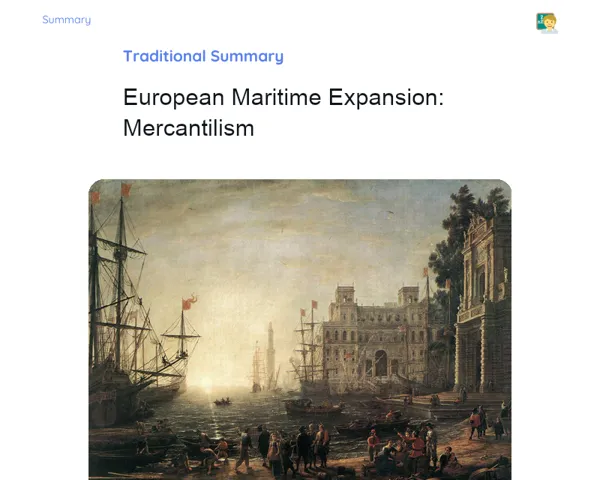
Maritime migration routes guide vessels across seas and oceans. These routes have been essential for exploration, colonization, and trade between continents, especially during the Age of Sail when Europeans navigated to the Americas, Africa, and Asia.
-
Allow for significant international trade.
-
Were key to the exploration and colonization of new territories.
-
Today, they play a crucial role in global logistics and container shipping.
Practical Applications
-
Logistics and Transportation: Logistics firms harness insights about migration routes to streamline the distribution of goods, enhancing efficiency and reducing costs.
-
Urban Planning: City planners rely on migration data to create infrastructure and services tailored to the needs of migrant communities.
-
International Trade: Professionals in international trading analyze land and maritime routes to ensure the effective and economical import and export of products.
Key Terms
-
Land Migration: Movement of people or goods via established land routes such as roads and pathways.
-
Waterway Migration: Movement through rivers and canals, utilizing boats and other watercraft.
-
Maritime Migration: Movement across seas and oceans, typically using large shipping vessels.
Questions for Reflections
-
How have various migration routes (land, waterway, and maritime) influenced the historical development of civilizations?
-
What major challenges do migrants face on each type of route, and how have they overcome these hurdles?
-
How can you apply your understanding of migration routes in your daily life or future career?
Mapping Migration Routes
Create a detailed map showcasing the primary migration routes (land, waterway, and maritime) and their societal and cultural influences.
Instructions
-
Form groups of 4 to 5 students.
-
Select one specific migration route to focus your map: land, waterway, or maritime.
-
Utilize paper, markers, string, and other materials to illustrate and detail the chosen route.
-
Identify key waypoints, challenges encountered, and resources required along the way.
-
Compose a brief paragraph explaining how this route impacted the society and culture of the connected regions.
-
Present your map and description to the class.