Goals
1. Identify the key features of Byzantine art, including its architecture, paintings, and mosaics.
2. Understand the historical and cultural backdrop of Byzantine art as a reflection of Eastern Christian art.
3. Explore how Byzantine art has influenced modern art and architecture.
Contextualization
Byzantine art, which thrived from the 4th to the 15th centuries, is a significant embodiment of Eastern Christian art. It played a vital role in preserving culture and faith during the Middle Ages. With its grand cathedrals, intricate mosaics, and iconic religious images, Byzantine art not only shaped the aesthetics of its time but also left an enduring impact on the architecture and sacred art we encounter today. For instance, the technique of Byzantine mosaics—using vibrant stones and golden glass—continues to inspire modern interior design and urban spaces. Additionally, the characteristic domes and arches of Byzantine architecture have influenced contemporary buildings, from places of worship to public institutions.
Subject Relevance
To Remember!
Byzantine Architecture
Byzantine architecture is marked by the use of domes, arches, and colourful mosaics, which create an awe-inspiring and spiritual ambiance. These features were commonly applied in churches and cathedrals during the Byzantine Empire, reflecting the significance of religion in society at that time.
-
Use of domes: Distinctive domes evoke a sense of elevation and connection to the divine.
-
Arches: These were employed in both internal and external designs, enhancing the grandeur of the structures.
-
Colourful mosaics: Mosaics, crafted with vibrant stones and golden glass, adorned walls and ceilings, bringing to life exquisite and detailed depictions of religious narratives.
Byzantine Paintings
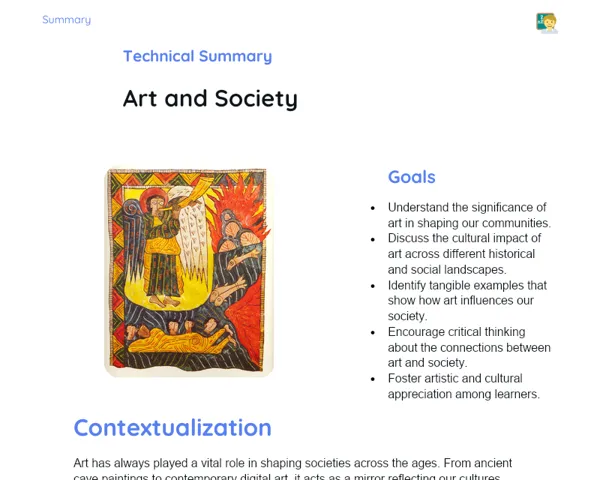
Byzantine paintings are famous for their religious icons, which adorned both churches and homes for worship. These artworks often portrayed holy figures in frontal poses, with calm expressions set against golden backgrounds, symbolising divinity.
-
Religious icons: Sacred images serving as focal points for reverence and reflection for the believers.
-
Frontal poses: Figures were typically shown facing forward, accentuating their spiritual significance.
-
Use of gold: The prevalent golden backgrounds represent divine light and sanctity in Byzantine artwork.
Byzantine Mosaics
Byzantine mosaics are a meticulous art form, consisting of small pieces of glass, stone, or ceramic known as tesserae, assembled to create elaborate and vibrant images. These mosaics commonly adorned churches, palaces, and other prominent structures.
-
Tesserae technique: Small fragments of coloured materials were carefully arranged to form intricate designs.
-
Religious themes: The majority of mosaics illustrated biblical scenes, saints, and significant religious figures.
-
Use of vibrant colours: Mosaics showcased intense colours that varied based on the materials selected, including golden glass to achieve luminous effects.
Practical Applications
-
Interior Design: The mosaic techniques of Byzantine art are frequently applied in contemporary interior decoration, especially in projects aimed at evoking a sense of luxury and historical depth.
-
Contemporary Architecture: Features of Byzantine architecture, like domes and arches, continue to inspire religious and governmental building designs.
-
Sacred Art: The crafting of religious icons is still an active practice, with modern artists drawing from Byzantine styles and methods to create devotional pieces.
Key Terms
-
Byzantine Architecture: Architectural style known for its domes, arches, and detailed mosaics, predominantly seen in churches and cathedrals.
-
Religious Icons: Sacred artworks used for reverence and contemplation in the Eastern Christian tradition.
-
Mosaics: Art consisting of images formed by arranging small coloured pieces of glass, stone, or ceramic.
-
Tesserae: The small components used in creating mosaics, made from various materials like glass, stone, or ceramic.
Questions for Reflections
-
How does preserving Byzantine art help us grasp the connections between art, culture, and spirituality during the Middle Ages?
-
In what ways does Byzantine art continue to influence modern interior design and architecture?
-
Why is it important to maintain the tradition of creating religious icons in today's sacred art?
Create a Byzantine Icon
Take on the challenge of crafting a religious icon inspired by Byzantine art, employing techniques and styles that define this artistic tradition.
Instructions
-
Select a religious figure or biblical theme to depict.
-
Sketch your chosen figure on paper.
-
Use coloured pencils, markers, or paints to bring the icon to life, ensuring you incorporate a golden background to represent divine light.
-
Include characteristic elements of Byzantine art, such as frontal poses and tranquil expressions.
-
Once your icon is complete, write a brief paragraph detailing your creative process and the inspiration behind your work.