Exploring the Kingdom Protista: Protozoa and Algae in Practice
Objectives
1. Understand what protozoa and algae are, as well as their characteristics and types.
2. Understand the main diseases caused by protozoa.
3. Develop practical skills in the identification and classification of protozoa and algae.
Contextualization
Protozoa and algae play crucial roles in our ecosystems and in our health. These microscopic organisms can be found in almost every aquatic environment and are vital for many ecological processes, such as oxygen production and the decomposition of organic matter. Additionally, some protozoa are known to cause diseases that affect millions of people around the world, such as malaria and Chagas disease. Algae are used in the manufacture of products such as ice cream and cosmetics due to their stabilizing and thickening properties, while protozoa are often used in medical research to better understand disease mechanisms and develop new treatments.
Relevance of the Theme
Studying protozoa and algae is fundamental in the current context, as these organisms have direct applications in various areas such as biotechnology, public health, and environmental preservation. In the field of biotechnology, algae are explored for the production of biofuels, which are a sustainable alternative to fossil fuels. Researchers and health professionals study protozoa to develop vaccines and treatments for diseases that impact global public health. Understanding these organisms is essential to face contemporary ecological and sanitary challenges.
Protozoa
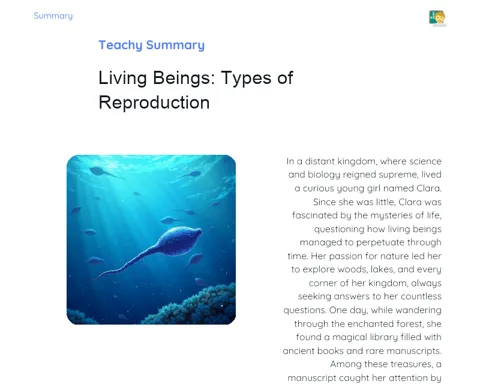
Protozoa are unicellular organisms that belong to the Kingdom Protista. They can be found in a variety of aquatic and terrestrial environments and play vital roles in ecosystems, such as in the decomposition of organic matter and as part of the food chain. Some protozoa are known to cause diseases in humans and other animals.
-
They are unicellular and eukaryotic.
-
They can be free-living or parasitic.
-
Reproduction can be asexual or sexual.
-
Important for the decomposition of organic matter.
-
Some cause diseases such as malaria and Chagas disease.
Algae
Algae are photosynthetic organisms that belong to the Kingdom Plantae, although they are often included in the Kingdom Protista. They can be found in aquatic and moist environments and are fundamental for oxygen production and as the base of the aquatic food chain. Algae have great ecological and economic importance, being used in the production of food, biofuels, and industrial products.
-
They are photosynthetic and can be unicellular or multicellular.
-
Found in aquatic and moist environments.
-
Base of the aquatic food chain.
-
Produce oxygen through photosynthesis.
-
Used in the production of food and biofuels.
Diseases Caused by Protozoa
Protozoa can be agents causing various severe diseases in humans and animals. These diseases are transmitted in several ways, including insect bites and contact with contaminated water or food. The study of these diseases is crucial for the development of vaccines and treatments that can save lives.
-
Malaria: caused by the protozoan Plasmodium, transmitted by Anopheles mosquitoes.
-
Chagas disease: caused by the protozoan Trypanosoma cruzi, transmitted by the kissing bug.
-
Giardiasis: caused by the protozoan Giardia lamblia, transmitted by contaminated water or food.
-
Amebiasis: caused by the protozoan Entamoeba histolytica, transmitted by contaminated food or water.
-
Leishmaniasis: caused by the protozoan Leishmania, transmitted by phlebotomine mosquitoes.
Practical Applications
- Biofuel Production: Algae are used in the production of biofuels, a sustainable alternative to fossil fuels.
- Drug Development: Protozoa are studied for the development of drugs and vaccines against diseases like malaria and Chagas disease.
- Food Industry: Algae are used as stabilizers and thickeners in food products such as ice creams and sauces.
Key Terms
-
Protozoa: Unicellular and eukaryotic organisms that can be free-living or parasitic.
-
Algae: Photosynthetic organisms that can be unicellular or multicellular.
-
Malaria: Disease caused by the protozoan Plasmodium, transmitted by Anopheles mosquitoes.
-
Chagas disease: Disease caused by the protozoan Trypanosoma cruzi, transmitted by the kissing bug.
-
Biofuels: Fuels produced from living organisms, such as algae.
Questions
-
Why is it important to study protozoa and algae in relation to public health?
-
How can knowledge about algae contribute to environmental sustainability?
-
In what ways can biotechnology utilize protozoa to develop new medical treatments?
Conclusion
To Reflect
Studying protozoa and algae is not just an exploration of the microscopic world, but a journey to understand how these small organisms impact our world in significant ways. From oxygen production and the base of the aquatic food chain to the development of medicines and biofuels, knowledge about these organisms is essential for various fields. Reflecting on the importance of these studies helps us appreciate biodiversity and seek innovative solutions to ecological and public health problems.
Mini Challenge - Practical Challenge: Building an Aquatic Microecosystem
This mini-challenge aims to consolidate your understanding of protozoa and algae by constructing and analyzing an aquatic microecosystem.
- Gather materials: small aquariums or cut PET bottles, water samples from a lake or river, stones, aquatic plants, microscopes or magnifying glasses, notebooks, and pens for notes.
- Set up your microecosystem by adding the stones and aquatic plants to the lake or river water inside the aquarium or PET bottle.
- Use the microscope or magnifying glass to observe the protozoa and algae present in the water sample.
- Record your observations in the notebook, identifying the different types of protozoa and algae and their interactions.
- Discuss your findings with your peers and prepare a brief presentation about your observations and conclusions.