Objectives
1. Identify and describe the primary theatrical styles such as musical theater, children's theater, and monologues.
2. Dive into the variety of theatrical styles, showcasing their unique traits and the influence they hold over performance and the audience's experience.
Contextualization
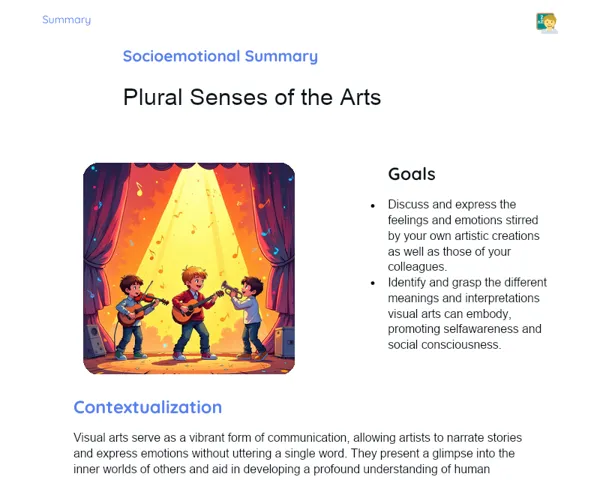
Did you know that musical theater has its roots in operas and popular variety shows? It has transformed into a dynamic form of storytelling that expresses complex emotions. By blending music, dance, and dialogue, this style creates an immersive experience that resonates with contemporary cultural issues while honoring historical traditions. Musical theater is just one of the intriguing styles we'll explore, each uniquely capturing the essence of human experience.
Important Topics
Musical Theater
Musical theater is a captivating form of art that joins music, songs, spoken dialogue, and dance. It expresses emotional narratives through a blend of words, music, movement, and technical aspects, each element enhancing the others to tell compelling and engaging stories.
-
Integration of elements: It seamlessly combines music, singing, and dance with dramatic narratives to create a rich and engaging experience.
-
Emotional expression: Music and dance amplify the narrative's emotions, making characters' experiences more relatable and accessible.
-
Cultural impact: Frequently addresses social and cultural themes, reflecting and shaping society.
Children's Theater
Children's theater is crafted specifically for young audiences, with stories and themes suitable for kids. It entertains while educating, introducing children to the arts through imaginative narratives and vibrant characters that capture their attention.
-
Education and entertainment: It instills moral values and life lessons in a fun, engaging manner.
-
Audience participation: Often encourages direct interaction with young viewers, enhancing engagement and memory of the experience.
-
Emotional and social development: Promotes empathy and awareness of social relationships through characters and storylines.
Monologue
A monologue is a theatrical style where a single actor delivers an in-depth speech, revealing the character's inner thoughts and providing the audience with profound insights into their feelings and motivations. This form is powerful for exploring the psychological and emotional depths of characters.
-
Character focus: Presents a deep exploration of a character's emotions and thoughts, free from the influence of dialogues or actions from others.
-
Intimacy with the audience: Establishes a direct, personal connection between the character and the audience, enhancing emotional impact.
-
Performance flexibility: Can be tailored for various spaces and settings, making it accessible for different theatrical productions.
Key Terms
-
Musical Theater: A theatrical style that fuses music, songs, dialogue, and dance to narrate a story.
-
Children's Theater: A form of theater aimed at young audiences, focusing on education as well as entertainment.
-
Monologue: An extended speech by a single actor on stage, revealing their thoughts and emotions.
For Reflection
-
How do different theatrical styles impact the audience's interpretation and reception of the message?
-
In what ways does the blend of music and dance in musical theater enhance the narrative?
-
Why is children's theater crucial for the cultural and social growth of children?
Important Conclusions
-
We examined various theatrical styles, each contributing unique features that enrich the theater landscape and offer diverse forms of expression.
-
Musical Theater marries music, dance, and dialogue to craft an immersive experience, while Children's Theater aims to educate and entertain a young audience, and Monologues provide a close and intimate connection with a character's thoughts and feelings.
-
These theatrical forms are more than mere entertainment; they are potent tools for communication and cultural expression, reflecting and shaping society.
To Exercise Knowledge
Write a short script for a monologue, or for a children's theater or musical scene. Use the elements we've discussed to convey a message or emotion you believe is significant. Present your script to family or friends and observe their reactions and feedback.
Challenge
Junior Director Challenge: Select one of the theatrical styles and direct a short play with your friends or family as the cast. Try to incorporate the innovative elements we've studied and see how your creative choices can influence the audience's perception!
Study Tips
-
Watch various theatrical performances, either online or in person, to see the different styles in action. Identify the discussed elements and how they shape the audience's experience.
-
Research renowned theater directors and understand how they utilize various theatrical styles in their productions. This can provide valuable insights into creative application.
-
Practice writing short scenes or monologues, focusing on different theatrical styles. This will enhance your understanding of each style and improve your writing and expression skills.